Sustainability is key to our future success

Taking responsibility for our impact on the environment, our communities and future generations.

Operating across more than 50 countries, we recognize the responsibility that comes with our global footprint. That’s why we’re committed to creating positive value wherever we operate by supporting our customers’ sustainability goals, respecting the environment, and putting people first. Guided by our purpose, we aim to make life better through our passion for minerals and chemistry.
Sustainability reporting

Read our 2025 Sustainability Report to learn more about our performance and initiatives across key sustainability topics. A snapshot of our sustainability initiatives and commitments can also be found in our sustainability brochure. 

Our sustainability commitment

Our own sustainability performance is a high priority for Omya. We are committed to advancing sustainability across environment, social and governance topics.
Environment

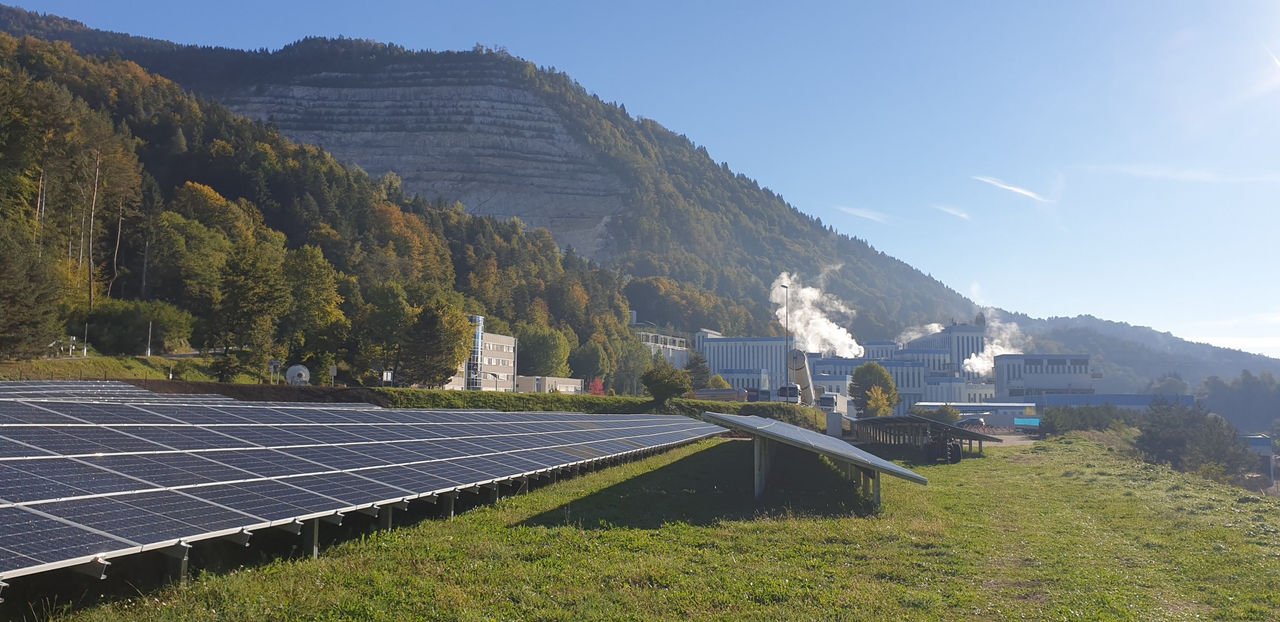
Omya has committed to achieving carbon neutrality for scopes 1 and 2 by 2050, with an interim 2030 reduction target of 50% against our 2019 baseline. To achieve this, we will continue investing in renewable power generation and energy‑efficiency projects, purchasing green energy, and advancing electrification and low‑carbon fuel switching. 

Investment in renewable energy

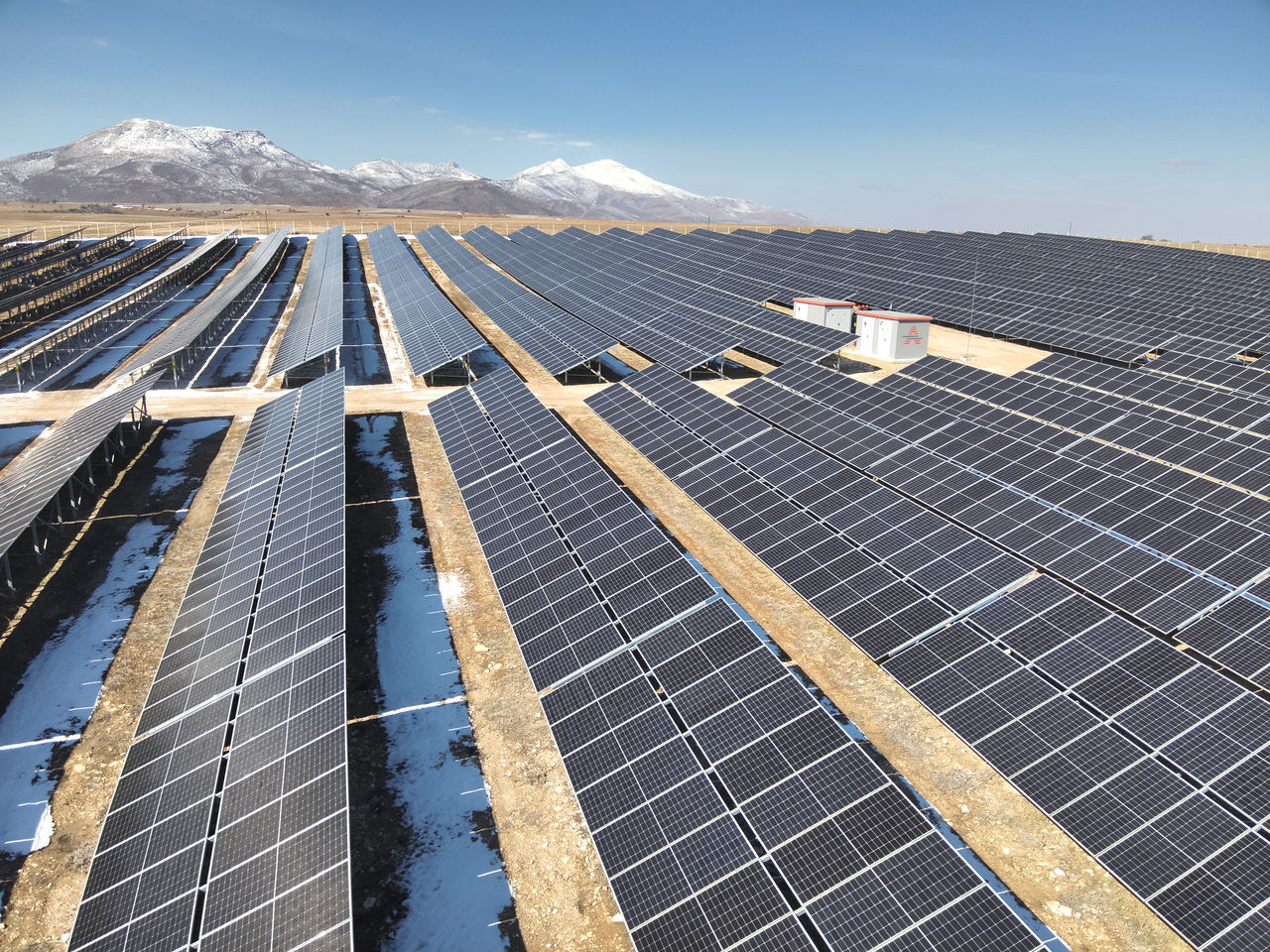
Since 2018 we have completed 54 renewable energy projects in 27 countries, generating a total of 88 GWh production/year, equating to savings of 39,000 tCO₂e annually, which would fulfil the annual energy consumption of 25,000 households


Omya’s largest solar project to date in Karaman, Turkey, replaces approximately 25% of the electricity consumption of all Omya plants in the country.

Environmental responsibility

Resource use and mineral circularity

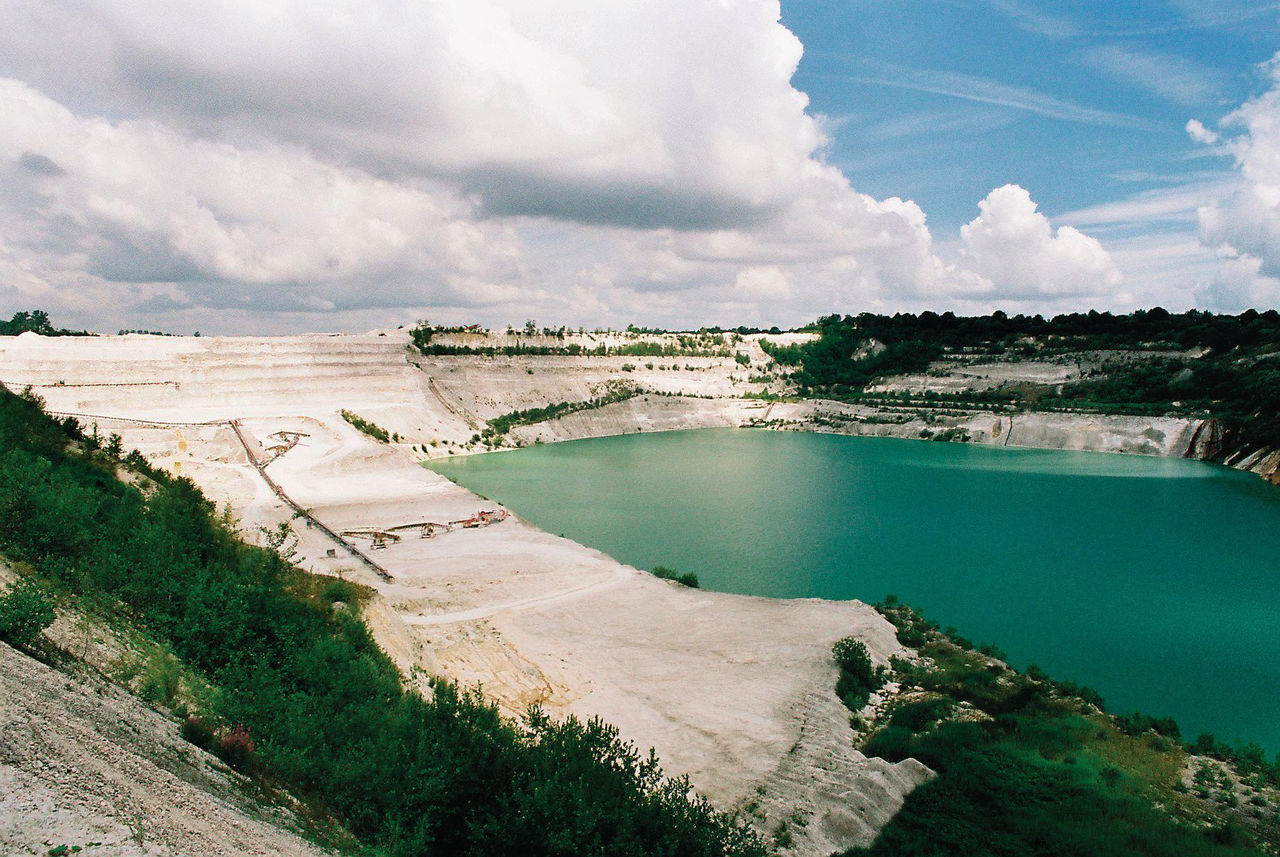
We are committed to managing our quarries and resources with a long‑term perspective. Our increasing use of recycled inputs and industrial by‑products supports the shift toward a circular economy, aligning with evolving regulations and customer expectations. We are focused on maximizing recovery rates, minimizing waste, and finding innovative ways to make the most of every raw material.

REU DE Laegerdorf 2005 12 01d

Biodiversity

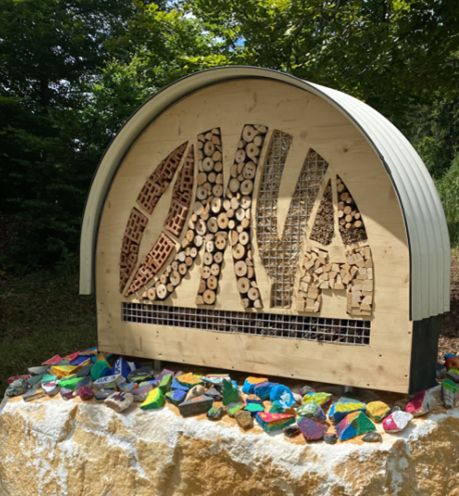
We champion biodiversity, working to preserve and enhance the ecosystems around our quarries and recognizing that built environments can also play a role in supporting nature. From flower meadow seeding and tree planting to introducing native species and creating habitats for birds and small wildlife, our teams actively contribute to healthier local ecosystems.


In key locations, Long‑Term Biodiversity Monitoring and regular field assessments by specialized ecological experts track progress and measure the impact of our footprint. Our biodiversity strategy is built on preservation, limiting biodiversity loss, restoring ecosystems, and integrating nature‑positive thinking into decisions across both operational and administrative sites.

Social

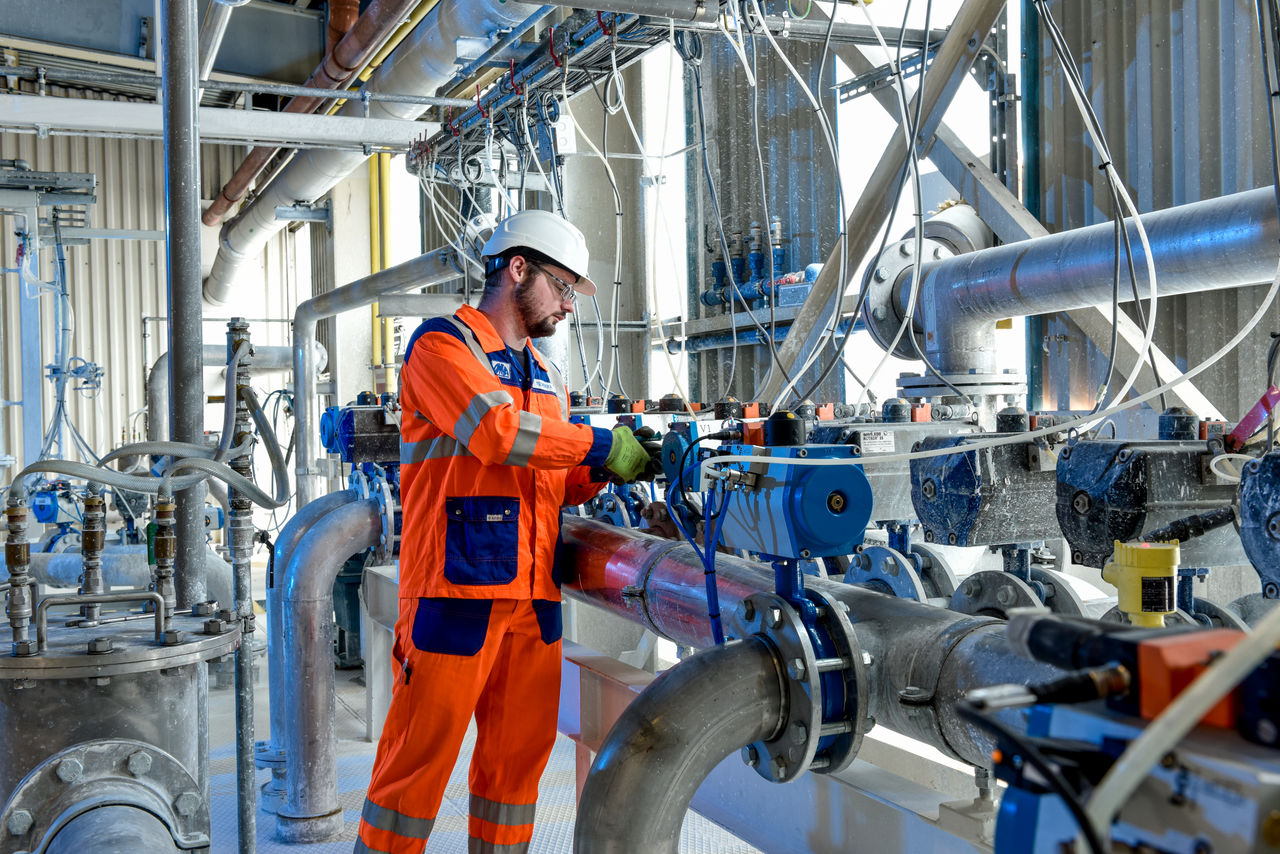
Within our own business, we promote human rights compliance and uphold the highest standards of health and safety. We invest in training and development and provide opportunities for our people to further their careers and achieve their ambitions. In the communities where we operate, we provide support through education and charitable work and by funding infrastructure projects where appropriate.

REU AT Gummern

Governance

As a privately owned company, Omya believes in the importance of transparent, ethical business practices and working in partnership with customers, principals, suppliers and other stakeholders. We support the economies of local communities and developing countries through job creation, local procurement and supporting small businesses. We want everyone that works with Omya to prosper.

Economic responsibility

Supporting customers in reaching their sustainability goals

In all our markets, customers are increasingly focused on improving sustainability, reducing carbon footprint and meeting their own ESG targets. We work closely with customers to support their sustainability initiatives, primarily through the supply of natural minerals.
Carbon footprint reduction

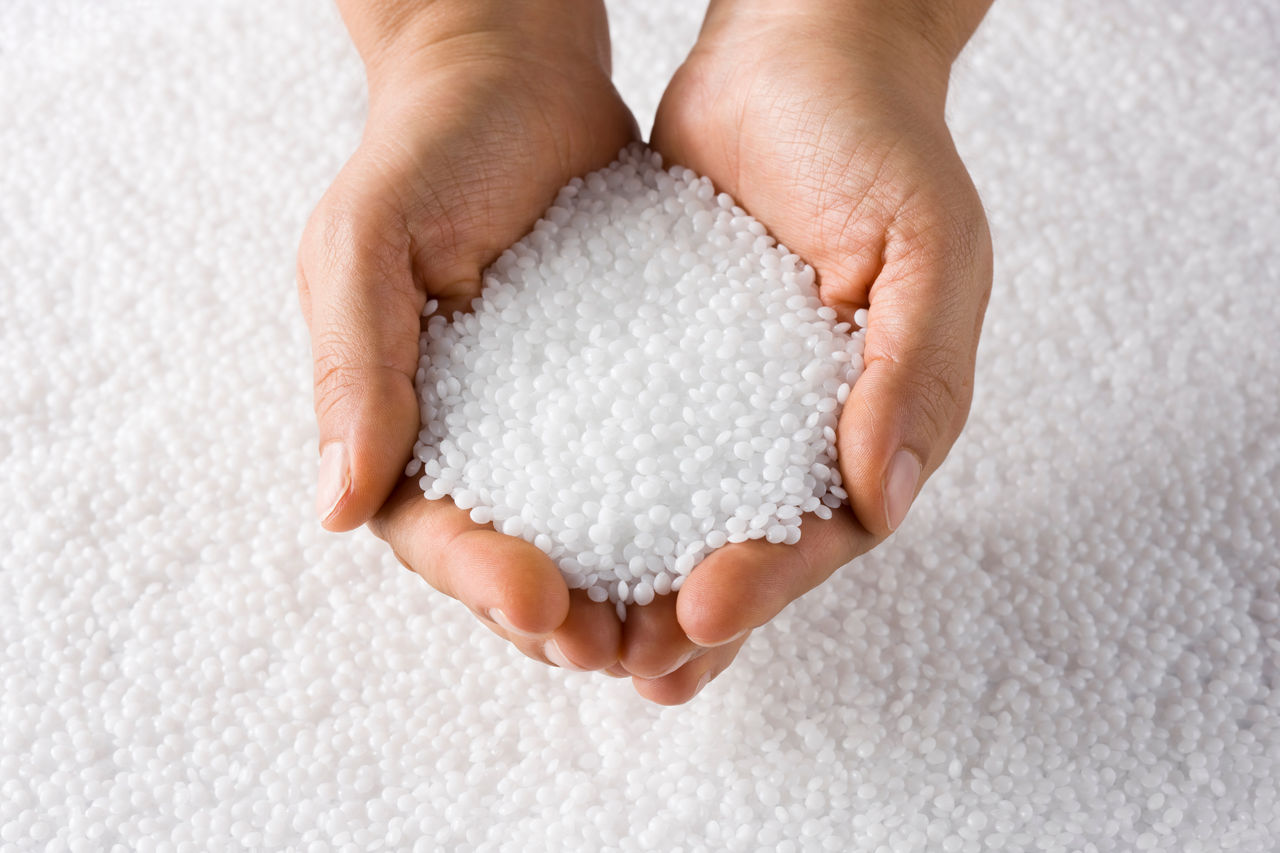
Our minerals can play a critical role as a functional additive in many customer formulations. Their use can reduce the carbon footprint of end products by enabling material substitution, improving process efficiency, and enhancing product performance. Recognizing this value, we have established dedicated product application laboratories where we often collaborate directly with customers to test and optimize formulations. These labs allow us to co-develop tailored solutions that not only meet technical requirements but also contribute to lower-carbon outcomes.

Carbon footprint

Operator safety

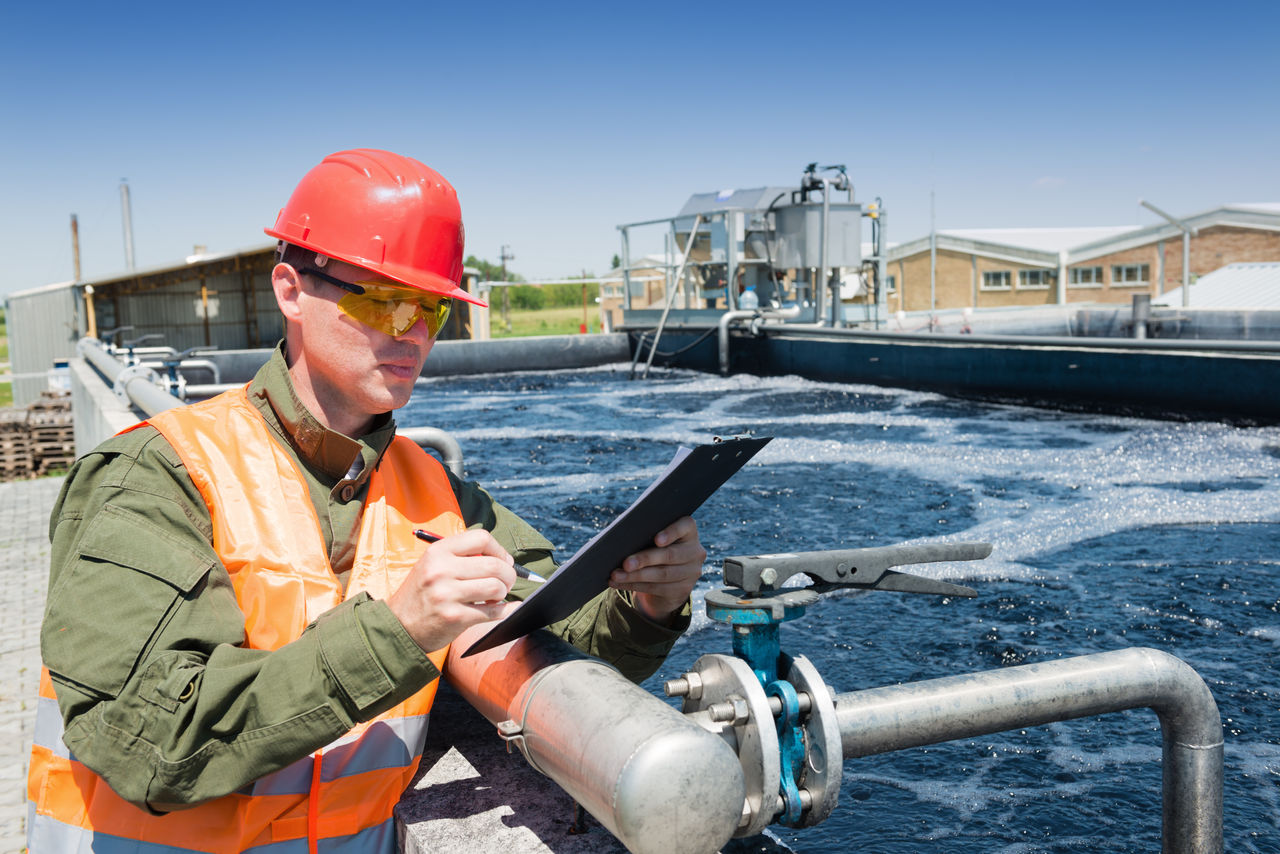
Customers reduce risk in their processes by using our natural mineral products to replace higher risk materials. For example, in water treatment, our calcium carbonate slurries offer a direct replacement to highly dangerous chemicals such as caustic soda or lime, without any compromise on efficiency.

.

Lightweighting

The use of lightweight fillers dramatically reduces the weight of end products, particularly in the construction industry, where our products contribute to significant reductions in transport costs and associated emissions, improvements in safety and greater affordability of end products.

Lightweighting

Resource use efficiency

Our products help customers achieve better results from existing (or fewer) resources, maximizing resource use efficiency and reducing waste. For example, in agriculture, our soil conditioners optimize soil pH to maximize nutrient availability, improving crop productivity and ensuring farmers realize the full value of their applied fertilizers.

Resource use efficiency

Human and animal health

The addition of minerals to food for both humans and animals contributes to global health in the population and the food supply chain. For example, our calcium fortification products for cereals, bakery and dairy products contribute to a reduction in diseases such as osteoporosis.

Human and animal health

Process improvements

Omya products are used in many industries to increase process efficiency and reduce costs. For example, in the paperboard industry, the addition of calcium carbonate as a filler can be used to reduce drying energy or increase line speeds.

Process improvements

Renewable minerals for sustainable solutions

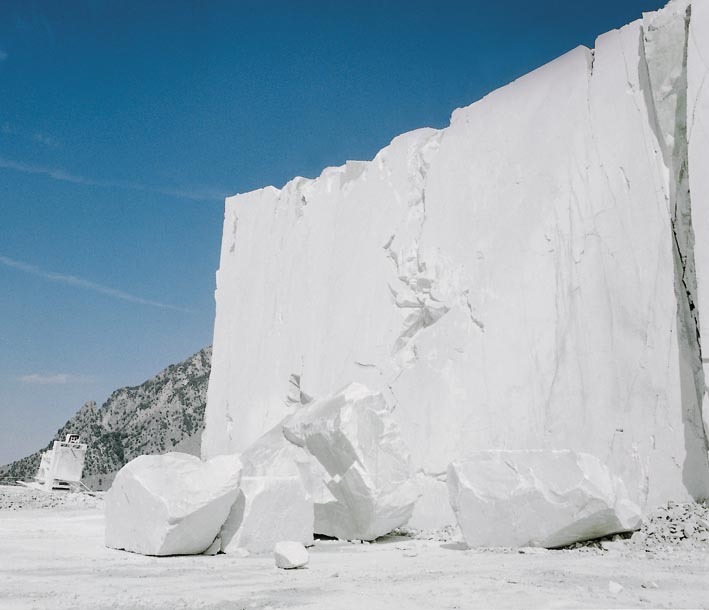
Omya's minerals are naturally occurring and renewable, making them a sustainable resource with low carbon footprint. 

minerals