Talc replacement

Ecolabel-compliant, safe alternatives for high-performance paint formulations  

Paintbrush painting a wall white

Why talc replacement matters now

The paints and coatings industry is entering a period of regulatory transformation. Talc, long valued for its functional performance, is now under scrutiny following its classification as “probably carcinogenic to humans”*. In Europe, further classification as a hazardous substance is being considered, which could significantly impact its future use. *Source: www.iarc.who.int


At the same time, ecolabel standards—such as the EU Ecolabel—prohibit substances classified as carcinogenic above strict thresholds. This means that coatings containing talc may no longer qualify, limiting market access and sustainability positioning.  As a result, manufacturers must act proactively to replace talc while maintaining performance and ensuring compliance.

P&C_EU Ecolabel logo

The role of talc in paints and coatings

Talc has been widely used because of its unique performance properties:  

  • Reinforces paint films and improves durability 
  • Enhances adhesion and reduces cracking or peeling 
  • Improves stain and abrasion resistance 
  • Provides chemical and corrosion resistance 

Its plate-like structure and aspect ratio contribute to these benefits, making replacement a technical challenge.

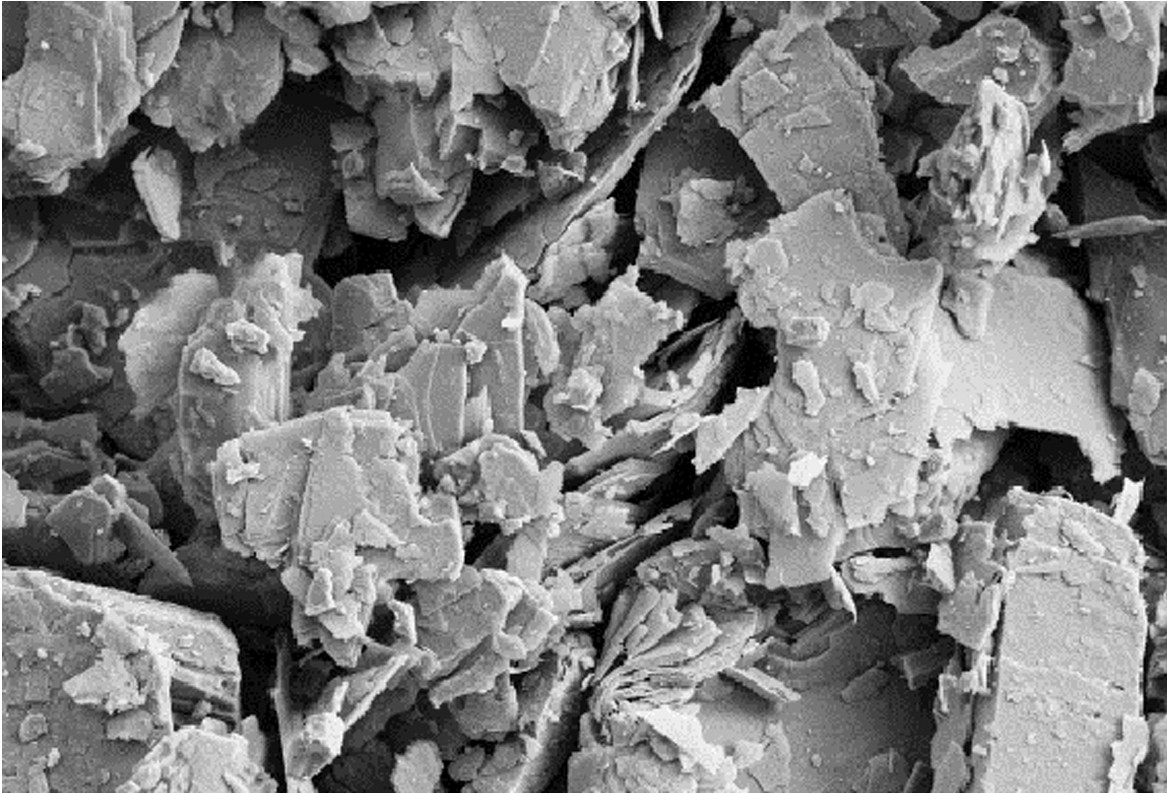
talc under microscope made by Omya

The challenge: reformulating without compromise

Removing talc is not simply a one-to-one substitution. Formulators must carefully balance:  

  • Mechanical strength and durability  
  • Optical properties such as opacity and brightness  
  • Gloss and surface finish   
  • Cost efficiency and formulation stability  

Additionally, different types of talc (fine, medium, coarse) serve distinct roles, requiring tailored replacement approaches.  

Salt pouring fall down from hand finger, great big white salts flower explode abstract cloud fall. Heap of Salt rock mix with ground powder, seasoning element design. White background isolated
salt, salty, white background, isolated, great, rock, crystal, big, refined, pure, flake, grain, health, treatment, spa, powder, relaxation, rough, favor, digestion, explosion, fly, fall, floating, material, particle, pour, shot, splash, high, motion, heap, sea, white, sodium, mineral, cooking, ingredient, ground, seasoning, food, element, mix, hand, glove

Benefits of talc-free formulations 

Switching to safe alternatives delivers strategic advantages: 

  • Ensures compliance with regulations 
  • Maintains eligibility for ecolabel certifications 
  • Reduces health and environmental risk ​
  • Supports high performance accross paints applications 
  • Enables end product classcifaction  

Safe mineral alternatives for talc replacement

Advanced mineral solutions enable formulators to replace talc while preserving performance. These materials can be tailored to specific formulation needs and in combination they replicate talc functionality,  ensuring consistent results. Supported by our partnership with Burgess for kaolin grades, proven talc-free alternatives include:
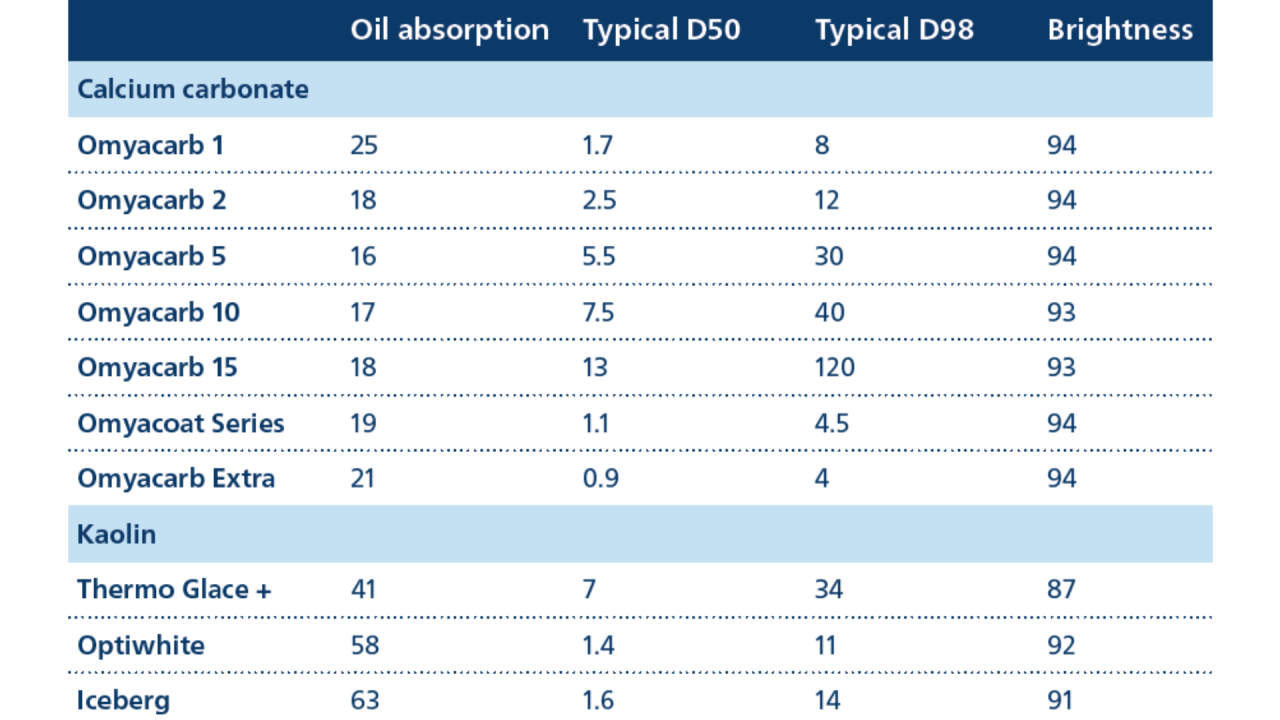

Calcium carbonate              (Omyacarb and Omyacoat)

  • Provides opacity and brightness  
  • Supports cost-efficient formulations  
  • Enables talc replacement across PVC ranges

Find on product finder

Kaolin                                            (Hydrous and Calcined) 

  • Enhances paint properties and durability  
  • Improves barrier and reinforcement effects
  • Balanced performance across different applications  

Discover Kaolin grades from Burgess 

Portfolio and application based formulations

Effective talc replacement depends on formulation design.  Validated formulations demonstrate that talc-free paints can achive comparable or improved performance.  For architectual and and decorative paints applications, Omya distributes suitable product range together with its principal partner Burgess for kaolin grades. 

Talc replacement forumulation  guide_product page_including bBurgess Kaolin

Key formulation approaches

  • Low PVC formulations: ultra fine calcium carbonate enables talc-free solutions with strong optical performance
  • Mid PVC formulations: blends of ultra fine calcium carbonate and hydrous kaolin clay replicate reinforcement and matting
  • High PVC formulations: optimized combinations of ultra fine and coarser calcium carbonate and calcinied kaolin clay maintain durability and opacity while reducing risk

Ask for formulation guidance

Download talc replacement brochure

Read more about the safe alternatives to talc, eco-label friendly solutions with PVC formulations guide 

Download

FAQ - Talc replacement alternatives for paints and coatings

Talc is under regulatory review due to potential health risks, including classification as “probably carcinogenic.” This drives the need for safer alternatives.

Not necessarily. With well-designed formulations using calcium carbonate and kaolin, key properties such as durability, opacity, and resistance can be maintained.

Ecolabels such as the EU Ecolabel restrict substances classified as hazardous. If talc receives stricter classification, formulations containing it may become ineligible.   

Ultra fine, coarser calcium carbonate, hydrous kaolin clay, and calcined kaolin are among the most effective materials, often used in optimized blends.  

Transitioning requires formulation expertise, but proven guidelines and technical support simplify the process and minimize risk.  

Contact our paint and coatings experts

Need expert support for your formulation?  

Whether you are developing a new paint or improving an existing coating, Omya’s global team provides:  

  • Technical formulation support  
  • Product selection guidance  
  • Innovation partnerships  
  • Commercial and supply expertise  

We work closely with customers to deliver tailored solutions that meet specific performance and sustainability requirements.

Paint formulaiton with Flex shutte Lab AI powered formulations